

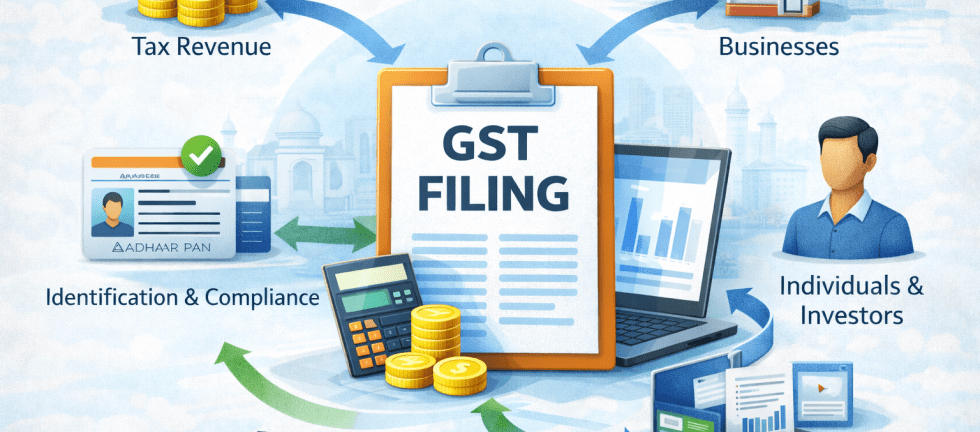
The landscape of gst filing has undergone significant changes recently. Understanding gst filing is now more crucial than ever for both individuals and businesses operating in the Indian market. In this definitive guide, we will break down the latest updates, explores the core concepts, and provide a step-by-step roadmap to navigate this complex terrain. Whether you’re looking to optimize your tax savings or ensure compliance with the latest regulations, this guide covers everything you need to know. Exploring the nuances of fiscal policy in modern India reveals a commitment to digitisation and transparency. The Faceless Assessment scheme, introduced a few years ago, has been a game-changer in reducing physical interaction between taxpayers and the department. This has led to a more objective and data-driven approach to tax compliance. When we talk about the economic fabric of the country, the Goods and Services Tax 2.0 represents a significant leap toward a ‘One Nation, One Tax’ reality that actually works for small businesses. The removal of cascading effects has helped in lowering the overall tax burden on the final consumer, making Indian products more competitive globally.
Table of Contents
Toggle1. What is gst filing?
gst filing is a fundamental pillar of the Indian financial ecosystem. Broadly speaking, it refers to the mechanisms through which the government regulates and collects revenue while providing incentives for growth. In the current fiscal year, gst filing has been prioritized to simplify the taxpayer journey. Financial planning is no longer just about saving for retirement; it’s about efficient tax harvesting and understanding how different asset classes are taxed. For instance, the recent hike in Securities Transaction Tax (STT) on futures and options indicates a clear policy shift toward encouraging long-term equity investment over speculative trading.
2. Who Needs to Worry About gst filing?
From budding entrepreneurs to veteran professionals, nearly every stakeholder in the economy is affected by gst filing. Specifically, if you fall into the higher income brackets or operate a mid-sized enterprise, the stakes are even higher.
Who specifically?
- Individuals earning above the basic exemption limit.
- Businesses with a turnover exceeding GST thresholds.
- Investors looking to mitigate tax on capital gains.
3. Latest Updates for FY 2026-27
As per the latest announcements from the Ministry of Finance, here are the key highlights you need to track:
- Update: Simplified GST 2.0: Primarily 5% and 18% slabs.
- Update: Zero GST (Exempt): Individual Life and Health Insurance policies (effective late 2025).
- Update: Sin/Luxury Goods: 40% GST rate.
- Update: Small Cars: 18% GST rate.
The societal impact of tax exemptions for life and health insurance cannot be overstated. By making these essential protection products more affordable, the government is essentially building a stronger social safety net, reducing the financial shocks faced by families during medical emergencies.
4. Benefits of Staying Compliant
Staying ahead of gst filing is not just about avoiding penalties; it’s about unlocking strategic benefits. Proper tax planning can significantly improve your ROI and overall liquidity profile.
In the context of the New Income Tax Act 2025, the focus on ‘simplicity’ is not just a buzzword. It’s an attempt to rewrite a decades-old law into language that a common graduate can understand, reducing the dependence on expensive consultants for simple compliance tasks.In the context of the New Income Tax Act 2025, the focus on ‘simplicity’ is not just a buzzword. It’s an attempt to rewrite a decades-old law into language that a common graduate can understand, reducing the dependence on expensive consultants for simple compliance tasks.
5. Step-by-Step Process for gst filing
Navigating this doesn’t have to be a nightmare. Here is a simplified approach:
- Analyze: Look at your current financial statements and identify applicable sections.
- Gather: Collect PAN, Aadhaar, and relevant investment proofs.
- Register: Use the official government portals like the Income Tax e-filing site or GST portal.
- Verify: Double-check every entry—accuracy is your best shield against scrutiny.
Final Thoughts on gst filing
In conclusion, mastering gst filing is an essential skill in today’s Bharat. By staying updated with the latest gst filing requirements and utilizing the incentives provided by the government, you can secure your financial future while contributing to the nation’s growth. If you find the process overwhelming, don’t hesitate to reach out to professional services. Start your journey today and take control of your financial health!
6. Frequently Asked Questions (FAQs)
Q: Is gst filing mandatory for everyone?
A: Not for everyone, but mandatory once you cross the prescribed income or turnover limits set by the Finance Act.
Q: How long does the gst filing process take?
A: Most digital processes today take between 3 to 10 working days, depending on the complexity and queue at the department.
Q: Can I do this myself or do I need a CA?
A: While the portals are now ‘user-friendly’, for complex cases involving multiple income sources, professional advice is always recommended.
Reference Links:
- Read more about our Premium Tax Services on our Service Page.
- Official Resource: GST Council
- Official Resource: GST Portal
👉 GST Filing 👉 Talk to CA